Essential Car Care Tips for Every Vehicle Owner
- valleyproautodetai
- 1 day ago
- 4 min read
Owning a vehicle is a significant responsibility, and proper car care is essential for ensuring its longevity and performance. Whether you are a new car owner or have been driving for years, understanding the basics of car maintenance can save you time, money, and stress. In this blog post, we will explore essential car care tips that every vehicle owner should know.
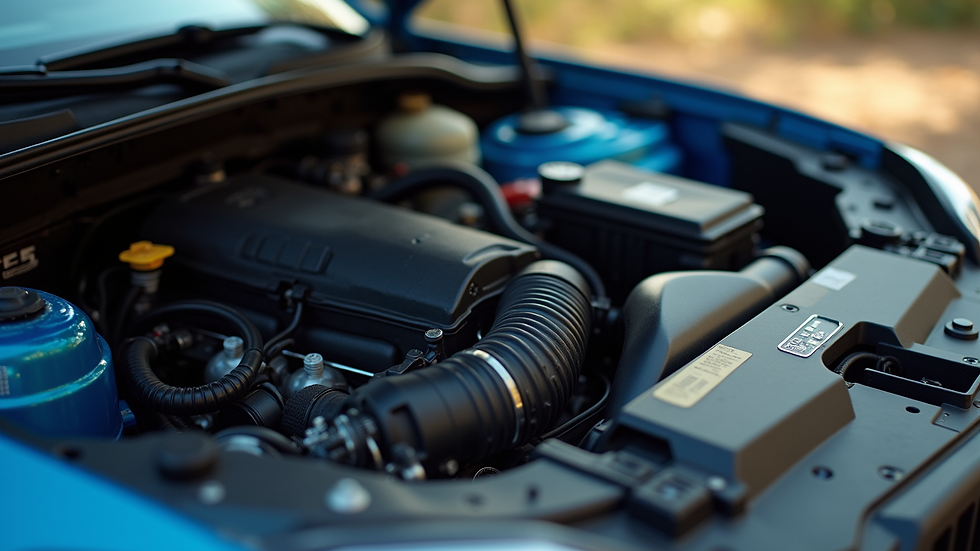
Understanding Your Vehicle
Before diving into specific maintenance tasks, it's crucial to understand your vehicle. Each car model has unique features and requirements, so familiarize yourself with your owner's manual. This document contains valuable information about your vehicle's specifications, recommended maintenance schedules, and troubleshooting tips.
Key Components to Know
Engine: The heart of your vehicle. Regular checks can prevent major issues.
Transmission: Responsible for shifting gears. Keep it well-lubricated.
Brakes: Essential for safety. Regular inspections are a must.
Tires: Affect handling and fuel efficiency. Monitor pressure and tread depth.
Battery: Powers your vehicle. Check connections and charge regularly.
Regular Maintenance Checks
Regular maintenance is the backbone of car care. Following a routine schedule can help you catch potential problems before they escalate.
Oil Changes
Changing your oil regularly is one of the most critical maintenance tasks. Oil lubricates the engine, reducing friction and preventing wear.
Frequency: Typically every 3,000 to 5,000 miles, but check your manual for specifics.
Tip: Consider using synthetic oil for better performance and longer intervals between changes.
Tire Maintenance
Tires are your vehicle's only contact with the road, making their maintenance crucial for safety and performance.
Pressure: Check tire pressure monthly. Under-inflated tires can lead to blowouts and decreased fuel efficiency.
Tread Depth: Use the penny test. Insert a penny into the tread; if you can see Lincoln's head, it's time for new tires.
Rotation: Rotate your tires every 5,000 to 7,500 miles to ensure even wear.
Brake Inspections
Brakes are vital for your safety. Regular inspections can help you avoid costly repairs and ensure your vehicle stops when you need it to.
Signs of Wear: Listen for squeaking or grinding noises and pay attention to how your vehicle responds when braking.
Fluid Levels: Check brake fluid levels regularly. Low fluid can indicate a leak or worn brake pads.
Seasonal Maintenance
Different seasons bring unique challenges for vehicle maintenance. Preparing your car for seasonal changes can enhance performance and safety.
Winter Preparation
Cold weather can be tough on vehicles. Here are some tips to prepare your car for winter:
Battery Check: Cold temperatures can reduce battery efficiency. Test your battery and replace it if necessary.
Antifreeze: Ensure your coolant system is filled with the right antifreeze mixture to prevent freezing.
Wipers and Fluids: Replace wiper blades and use winter-grade windshield washer fluid for better visibility.
Summer Preparation
Hot weather can also affect your vehicle. Here’s how to prepare for summer driving:
Cooling System: Check the radiator and coolant levels to prevent overheating.
Air Conditioning: Ensure your AC system is functioning properly for comfort during hot months.
Tire Check: Heat can increase tire pressure. Monitor and adjust as needed.
Cleaning and Detailing
Keeping your car clean is not just about aesthetics; it also protects your investment. Regular cleaning can prevent rust and maintain the vehicle's value.
Exterior Care
Washing: Wash your car every two weeks to remove dirt and grime. Use a pH-balanced car soap to avoid damaging the paint.
Waxing: Wax your vehicle every three months to protect the paint and enhance shine.
Underbody Cleaning: In winter, wash the undercarriage to remove salt and prevent rust.
Interior Care
Vacuuming: Regularly vacuum the interior to remove dirt and debris.
Upholstery Protection: Use seat covers and floor mats to protect against spills and wear.
Dashboard Care: Wipe down surfaces with a microfiber cloth to prevent dust buildup.
Understanding Warning Lights
Modern vehicles come equipped with various warning lights on the dashboard. Understanding these indicators can help you address issues promptly.
Common Warning Lights
Check Engine Light: Indicates a problem with the engine or emissions system. Get it checked as soon as possible.
Oil Pressure Light: Signals low oil pressure. Stop the engine immediately and check oil levels.
Battery Warning Light: Indicates a problem with the battery or charging system. Have it inspected.
DIY vs. Professional Help
While many maintenance tasks can be performed by vehicle owners, some require professional expertise. Knowing when to seek help can save you time and money.
When to DIY
Oil Changes: A straightforward task that can save you money.
Tire Rotations: If you have the tools, this can be done at home.
Wiper Blade Replacement: An easy task that improves visibility.
When to Seek Professional Help
Engine Repairs: Complex issues require specialized knowledge.
Transmission Problems: These can be costly and need expert attention.
Electrical Issues: Modern vehicles have intricate electrical systems that are best handled by professionals.
Conclusion
Proper car care is essential for every vehicle owner. By following these essential tips, you can ensure your vehicle remains in top condition, providing safety and reliability for years to come. Remember to stay proactive with maintenance, understand your vehicle's needs, and don't hesitate to seek professional help when necessary. Your car is an investment, and taking care of it will pay off in the long run.
Now that you have the tools to maintain your vehicle, take action today. Check your oil, inspect your tires, and give your car the care it deserves!


Comments